Committed to Saving Lives, Empowering Communities, and Building Safer Roads
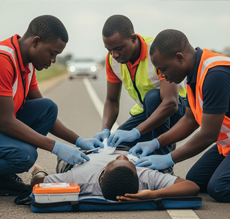
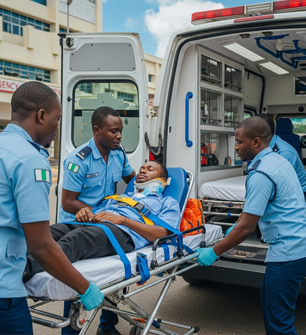
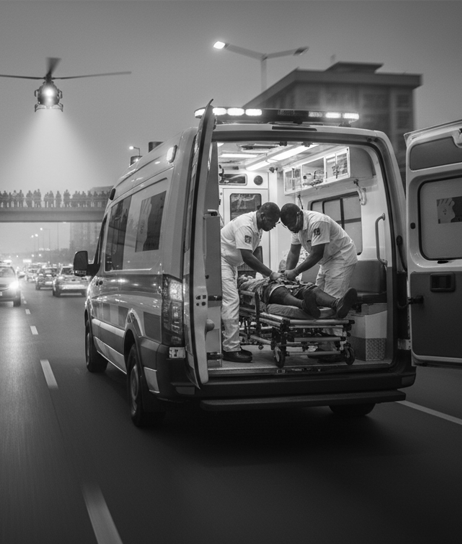
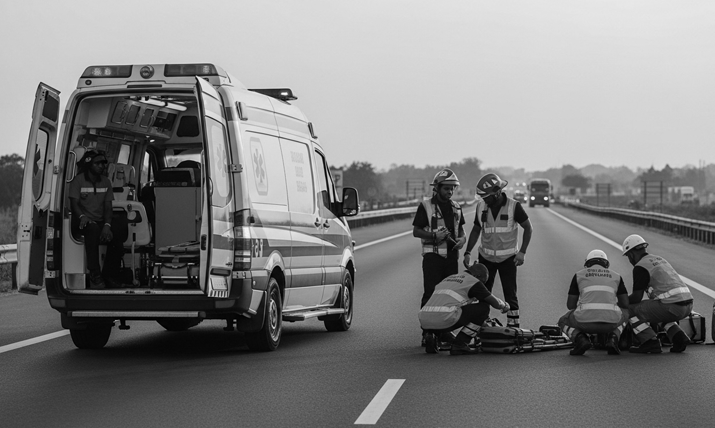
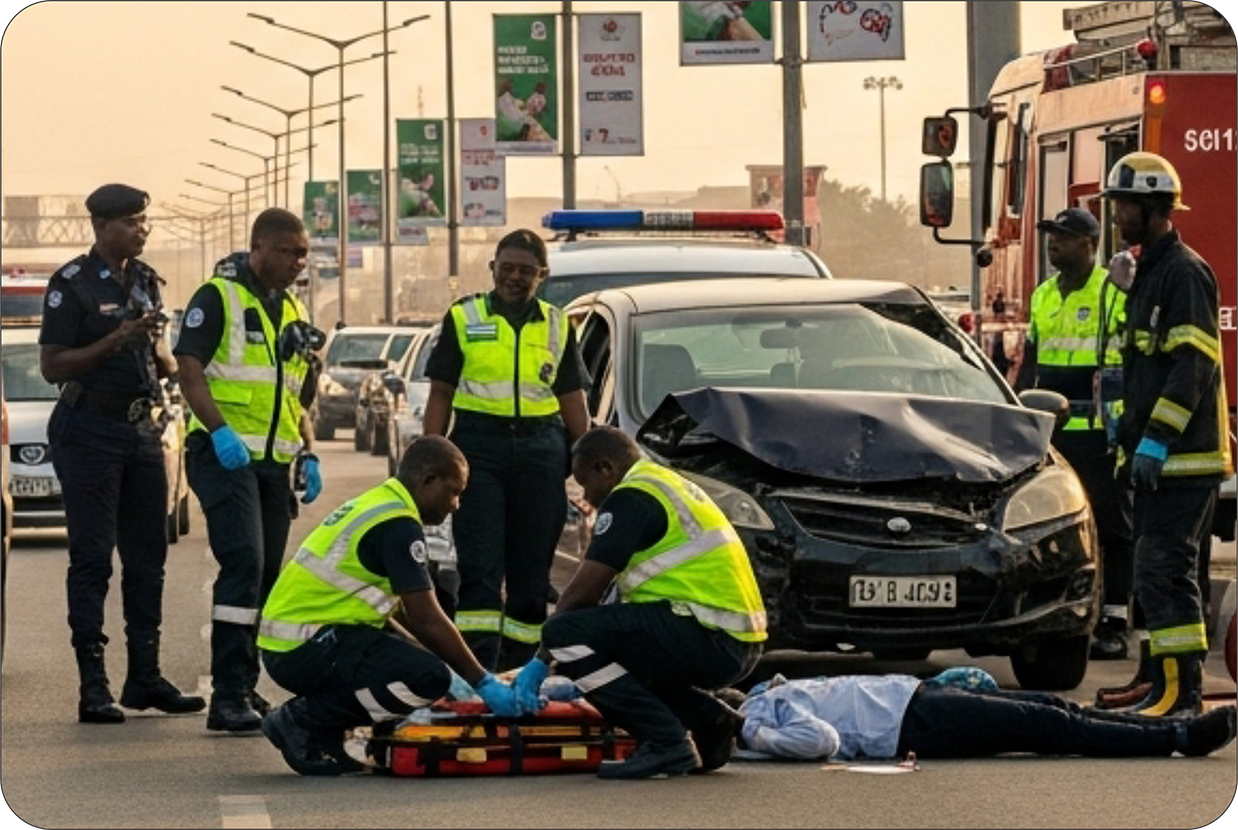
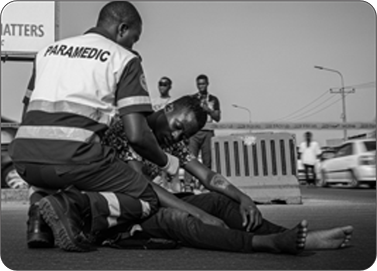
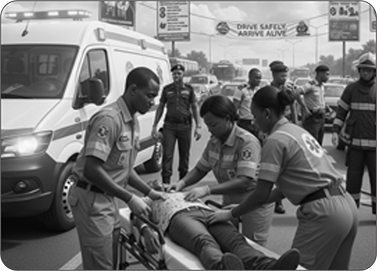
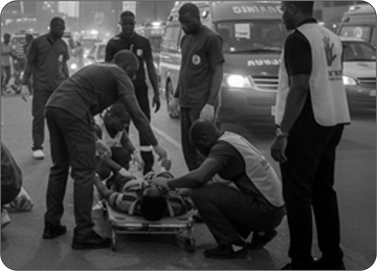
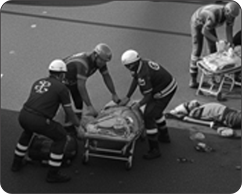
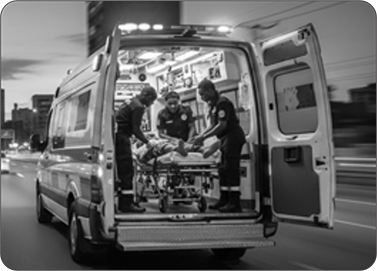
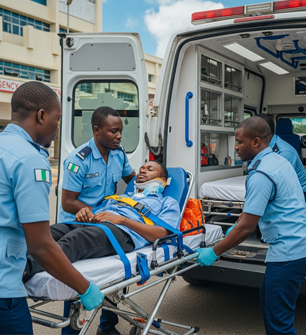
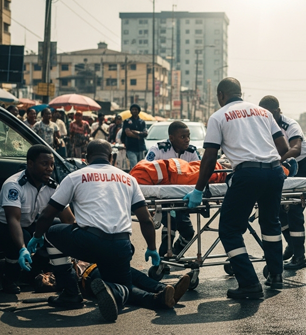
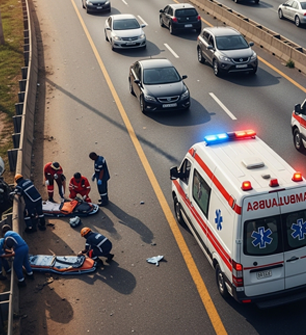
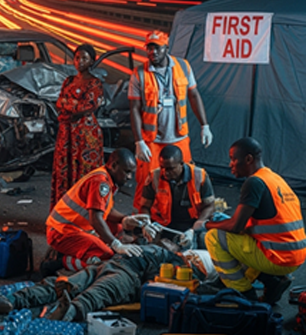
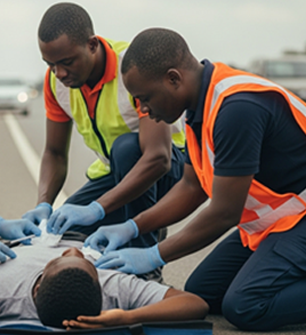
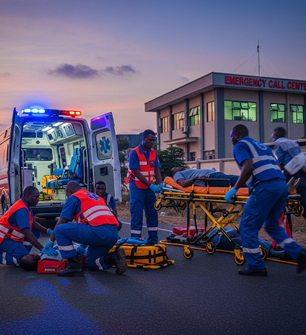
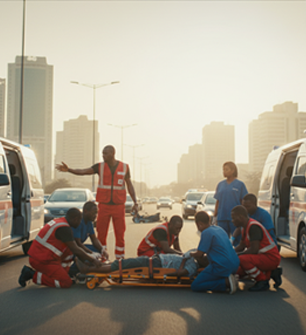
We are a non-profit organization committed to preserving lives through swift, compassionate, and professional first-response support for road traffic accident victims. We exist to bridge the critical gap between the point of injury and access to emergency medical care, particularly within high-risk road corridors.
Our Vision
To create a Nigeria where every road user has access to rapid emergency response services, and where road traffic injuries and fatalities are reduced to the lowest levels in Africa
Our Mission
To save lives by delivering rapid, safe, and reliable first-response care to victims of road traffic accidents, ensuring timely access to emergency medical attention when it matters most.
Our Core Values
Humanity: Every life is valuable and deserves immediate care
Speed and Efficiency: Time is critical in emergency response
Integrity and Accountability: Transparent and ethical service delivery.
Collaboration: Working with stakeholders to save lives.
Compassion: Dignity and empathy for all victims.
Empowering Communities to Protect Lives
Every Second Counts: We Respond, We Save, We Empower
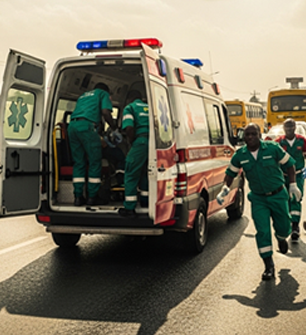
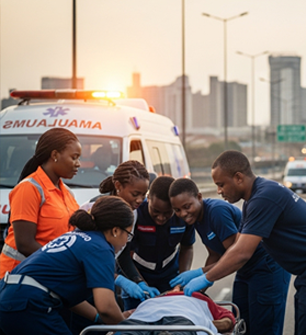
To rescue accident victims and provide timely emergency response, including ambulance services and other ancillary support.
Medical and Life-Saving Intervention:
To facilitate local and international medical assistance and life-saving interventions for accident victims.
Safety Awareness and Advocacy:
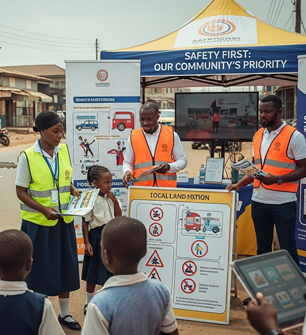
To promote road safety consciousness and responsible driving, emphasizing the value and preservation of human life
Partnerships and Policy Engagement:
To collaborate with local and international governmental bodies, NGOs, and stakeholders to promote adherence to safety measures and protect lives and property.
Victim Support and Welfare:
To organize visits, welfare packages, and other forms of support for accident victims and their families.
We Value Life Foundation exists to close this deadly gap by ensuring rapid response, early intervention, and coordinated emergency care for accident victims.
Goals and action plans
Goal 1
Build A Rapid First-Response System
Objective
Ensure accident victims receive life-saving assistance within the critical first minutes.
Key Strategies:
Establish emergency response units along the Lekki–Epe Expressway.
Build structured partnerships with major hospitals in the corridor
Partner with HMOs to ease emergency hospital bill processes.
Deploy trained ambulance responders
Key Activities:
Establish emergency response units along the Lekki–Epe Expressway.
Build structured partnerships with major hospitals in the corridor
Partner with HMOs to ease emergency hospital bill processes.
Deploy trained ambulance responders
Goal 2
Reduce road traffic accidents through prevention
Objective
Change road user behavior and promote a culture that values life.
Key Strategies:
Road safety education and awareness campaigns
School, driver union, and transport park outreach
Media and digital advocacy
Key Activities:
Roadshow Campaigns (“Value Life on the Road”)
Driver Safety Workshops
Pedestrian Awareness Programs
Goal 3
Provide ongoing support to accident victims
Objective
Ensure survivors receive care, dignity, and recovery support.
Key Strategies:
Welfare and medical assistance
Hospital follow-ups
Trauma and recovery support
Key Activities:
Hospital Visits and Care Packages
Referrals to Specialist Care
Rehabilitation and Emergency Medical Funding
Build strong partnerships and influence policy
Objective
Strengthen Nigeria’s road safety and emergency response ecosystem
Goal 4
Key Strategies:
Government collaboration
NGO and private sector partnerships
International support and knowledge exchange
Key Activities:
MoUs with FRSC, LASTMA, Police, Hospitals, and Transport Unions
Joint rescue and safety programs
Advocacy for improved emergency response policies and laws
Goal 5
Strengthen institutional capacity
Objective
Build a professional, transparent, and scalable organization.