

The Silent Crisis on Nigerian Roads and How Emergency Response Changes Outcomes
Nigeria’s roads are among the most dangerous in Africa, yet the scale of road traffic injuries and fatalities often goes unnoticed. Every day, countless accidents occur on highways and city roads, leaving families devastated and communities affected. This silent crisis continues largely because many incidents happen without immediate attention, proper reporting, or timely emergency response.
A major factor contributing to this crisis is the absence of rapid medical intervention at accident scenes. In many cases, victims are left waiting for help or are transported unsafely by bystanders without medical training. These delays and improvised responses significantly increase the likelihood of death or permanent injury, even in cases that could have been survivable.
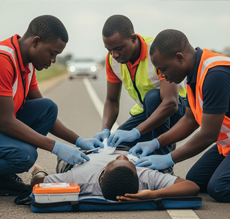
Emergency response changes outcomes by bridging the critical gap between injury and medical care. When trained first responders arrive quickly, they can stabilize victims, control bleeding, manage shock, and ensure safe transportation to medical facilities. These early interventions dramatically improve survival rates and reduce the severity of long-term complications.
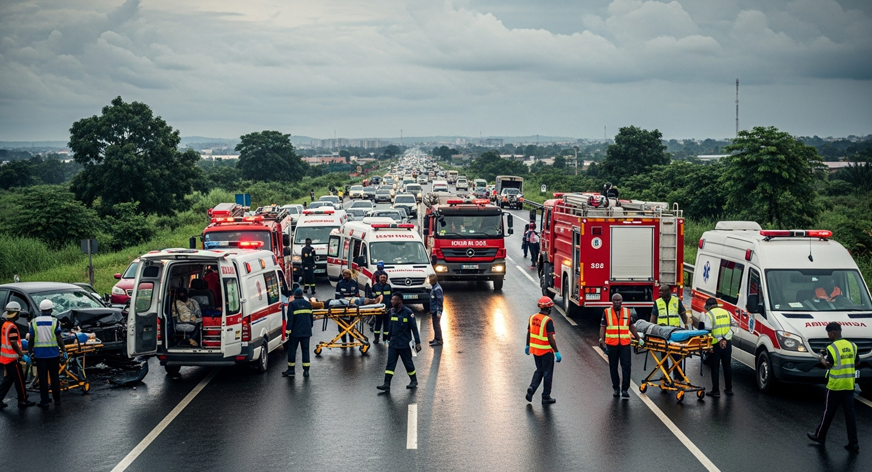
Beyond immediate rescue, structured emergency response systems also bring coordination and efficiency. Ambulance services, communication networks, and hospital partnerships ensure that victims receive appropriate care without unnecessary delays. This coordinated approach transforms chaotic accident scenes into controlled life-saving operations.
At We Value Life Foundation, addressing this silent crisis is at the heart of our work. Through rapid emergency response, road safety advocacy, and strategic partnerships, we are changing outcomes on Nigerian roads—one life at a time. By strengthening emergency care systems, we move closer to a future where preventable road deaths are no longer the norm.